
Shower leaks can seem harmless at first. A small drip here, a damp patch there. But left unchecked, even minor leaks can cause serious structural damage, mould growth, and costly repairs down the line. Recognising the early warning signs is the first step to protecting your home and your family’s health.
This article walks you through five clear signs that indicate you need professional shower leak repair today. You’ll learn what to look for, why these issues matter, and how expert intervention can save you time, money, and stress in the long run.
Key Takeaways
- Persistent water stains on ceilings or walls below your shower indicate hidden leaks that require immediate attention.
- Musty odours and visible mould growth signal moisture problems that can affect indoor air quality and structural integrity.
- Peeling paint, warped flooring, or soft spots near the shower suggest water is escaping the waterproofed area.
- Unexplained increases in your water bill may point to continuous leaks that waste water and money.
- Professional shower leak repair ensures compliance with Australian Standards and prevents long-term damage to your Sydney home.
1. Water Stains on Ceilings or Walls Below the Shower
Water stains are one of the most visible signs of a shower leak. These stains typically appear as discoloured patches on the ceiling or walls directly below or adjacent to your bathroom. They often start small and grow over time as the leak persists.
The stains can range from light yellow to dark brown. The colour depends on the materials affected and the length of time water has been seeping through. If you notice any new or expanding stains, it’s time to investigate further.
Water doesn’t always travel straight down. It can follow structural beams, pipes, or electrical conduits before appearing in unexpected places. This makes it difficult to pinpoint the source without professional help. Our team at Anton’s Renovation uses moisture detection tools to trace leaks accurately and identify the exact point of failure.
2. Musty Odours and Visible Mould Growth
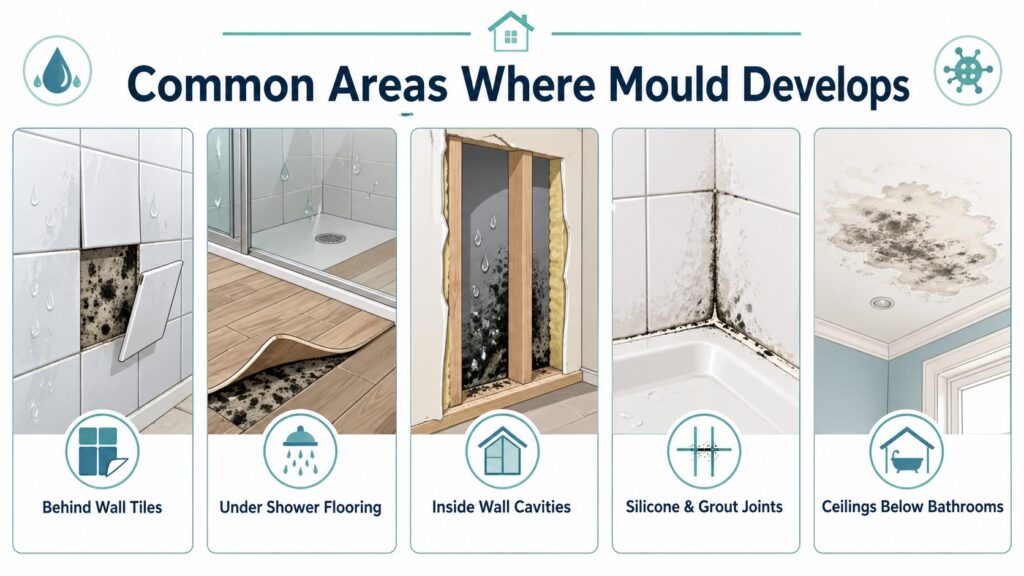
A persistent musty smell in your bathroom or nearby rooms is a red flag. This odour comes from mould and mildew thriving in damp, enclosed spaces. Mould spores can spread quickly once moisture is present, creating health risks for everyone in the home.
Visible mould appears as black, green, or grey patches on walls, ceilings, grout lines, or silicone seals. It often grows in corners, behind tiles, or under flooring where moisture accumulates. Even if you can’t see mould, the smell alone suggests hidden growth behind surfaces.
Mould exposure can trigger respiratory issues, allergies, and skin irritation. Children, elderly family members, and anyone with existing health conditions are especially vulnerable. Addressing the leak promptly stops mould at its source and protects indoor air quality.
3. Peeling Paint, Warped Flooring, or Soft Spots
Paint that bubbles, peels, or flakes away from bathroom walls is a strong indicator of moisture intrusion. Water seeping through walls causes paint to lose adhesion. The same applies to wallpaper, which may lift or discolour when exposed to persistent dampness.
Warped flooring is another telltale sign. Timber floors may cup, buckle, or feel spongy underfoot. Vinyl and laminate can lift at the edges or develop bubbles. These changes happen when water escapes the shower area and saturates the subfloor.
Soft spots on walls or floors suggest the underlying structure has absorbed water over time. Pressing gently on these areas may reveal a spongy texture or even slight give. This is a serious issue that can compromise the structural integrity of your home if not addressed quickly.
What Causes These Symptoms
Shower leaks often originate from failed waterproofing membranes. These membranes are installed beneath tiles and around wet areas to prevent water from reaching the structure. Over time, movement, poor installation, or age can cause cracks or gaps in the membrane.
Grout and silicone seals also deteriorate with regular use. Water can seep through cracked grout lines or shrinking silicone, bypassing the waterproofing layer. Once water reaches the subfloor or wall cavity, damage accelerates.
We see these issues frequently in older Sydney homes. Many were built before current Australian Standards for waterproofing were introduced. Our renovators assess the extent of damage, remove compromised materials, and install compliant waterproofing systems that meet AS 3740 requirements.
4. Unexplained Increase in Your Water Bill
A sudden spike in your water bill without a clear reason can point to a hidden leak. Shower leaks may be slow and continuous, wasting litres of water each day. Over a billing period, this adds up to noticeable costs.
To test for a leak, turn off all taps and water-using appliances in your home. Check your water meter. If the meter continues to move, you likely have a leak somewhere in the system. Showers are a common culprit, especially if the leak is behind tiles or within the plumbing.
Fixing the leak not only stops water waste but also reduces your bills. It’s an investment that pays for itself over time. Our team can identify the source, repair the fault, and restore your shower to full working order with minimal disruption.
5. Loose or Damaged Tiles and Grout
Tiles that feel loose, shift when pressed, or sound hollow when tapped may indicate water damage beneath. Water weakens the adhesive bond between tiles and the substrate. Over time, tiles can lift, crack, or fall away entirely.
Grout that crumbles, cracks, or pulls away from tile edges is another warning sign. Grout is porous and can absorb water if not sealed properly. Once water penetrates, it can reach the waterproofing membrane or the structure behind it.
Damaged tiles and grout are often the result of long-term leaks. Water seeps into the substrate, causing it to swell or deteriorate. This creates movement, which further stresses the tiles and grout. The cycle continues until the issue is professionally addressed.
When to Call a Professional for Shower Leak Repair
If you’ve noticed any of the five signs above, it’s time to act. Delaying repair only allows the damage to worsen. Water can rot timber frames, corrode steel reinforcement, and compromise the structural stability of your home.
Professional repair starts with a thorough inspection. We use moisture meters, thermal imaging, and visual assessment to locate the leak and determine the extent of damage. This ensures we address the root cause, not just the symptoms.
Once the issue is identified, we provide a clear plan and timeline. Our team removes damaged materials, repairs or replaces waterproofing, and reinstalls tiles and fixtures to a high standard. We work efficiently to minimise disruption and restore your bathroom to safe, functional use.
What to Expect During the Repair Process
- Initial consultation and onsite inspection to assess the leak
- Detailed report outlining the cause, extent of damage, and recommended solution
- Removal of affected tiles, grout, and substrate as needed
- Repair or replacement of waterproofing membrane in line with AS 3740
- Reinstallation of tiles, sealing, and finishing touches
- Final inspection and waterproofing certificate for your records
How Shower Leaks Affect Your Home’s Value and Safety
Unrepaired leaks can significantly reduce your property’s market value. Potential buyers and building inspectors look for signs of water damage. Stains, mould, and structural issues raise red flags and can derail a sale.
Beyond financial impact, leaks pose real safety risks. Wet floors increase the chance of slips and falls. Mould affects air quality and health. In severe cases, structural damage can compromise the stability of walls and floors.
Addressing leaks promptly protects your investment and ensures your home remains a safe, comfortable space. Professional repair also provides documentation that can be valuable during property transactions or insurance claims.
Choosing the Right Renovation Partner in Sydney
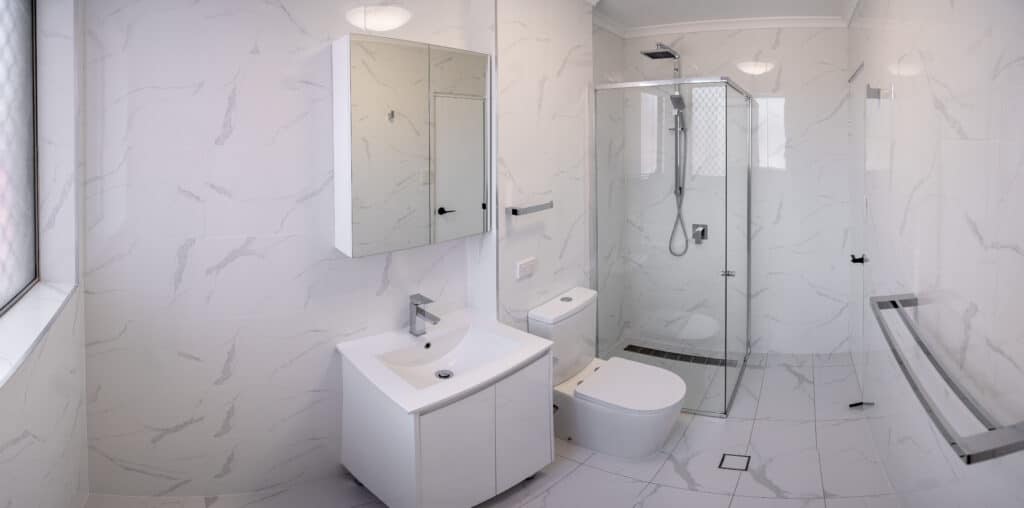
Not all renovation companies are equipped to handle shower leak repairs. This work requires specific skills, licensing, and knowledge of waterproofing standards. Choosing the wrong contractor can lead to recurring leaks and additional costs.
Anton’s Renovation brings over 15 years of experience to every project. We specialise in bathroom renovations and repairs across Sydney, from the Inner West to the Northern Beaches. Our team is fully licensed, insured, and trained in the latest waterproofing techniques.
We use premium materials from trusted suppliers and follow Australian Standards for all wet area work. Our process is transparent, with clear communication at every stage. We respect your home, stick to agreed timelines, and deliver workmanship that lasts.
Why Sydney Homeowners Choose Us
- Licensed and insured for renovation and waterproofing work in NSW
- Over 15 years of hands-on experience with bathroom repairs and upgrades
- Compliance with AS 3740 and all relevant building codes
- Fast turnaround with minimal disruption to your daily routine
- Service guarantee and waterproofing certificates for peace of mind
- Transparent communication and no hidden surprises
Preventing Future Shower Leaks
Once your shower is repaired, regular maintenance helps prevent future leaks. Inspect grout and silicone seals every six months. Look for cracks, gaps, or signs of wear. Re-seal joints as needed using high-quality silicone.
Keep your shower clean and dry. Wipe down tiles and glass after each use to reduce moisture buildup. Ensure your bathroom is well-ventilated. Use an exhaust fan or open windows to allow steam to escape.
| Sign of Shower Leak | Potential Cause | Recommended Action |
|---|---|---|
| Water stains on ceiling or walls | Failed waterproofing or cracked grout | Professional inspection and repair |
| Musty odours and mould | Persistent moisture from hidden leak | Mould remediation and leak repair |
| Peeling paint or warped flooring | Water seeping into substrate | Remove damaged materials, repair waterproofing |
| Increased water bill | Continuous leak within plumbing or shower | Leak detection and plumbing repair |
| Loose tiles or crumbling grout | Water damage to adhesive or substrate | Tile removal, substrate repair, reinstallation |
If you’re planning a full bathroom renovation, invest in quality waterproofing from the start. Our team can design and build a shower that not only looks stunning but also performs reliably for years. We tailor every project to your lifestyle, budget, and home.
Understanding Waterproofing Standards in NSW
Waterproofing is a legal requirement for all wet areas in New South Wales. The relevant standard is AS 3740, which sets out minimum requirements for the design and installation of waterproofing systems in domestic buildings.
This standard covers shower recesses, bath surrounds, and other areas where water is used regularly. Compliance ensures water doesn’t escape the wet area and damage surrounding structures. It also protects homeowners from liability in the event of water damage to neighbouring properties.
Our renovators are trained and certified to install waterproofing systems that meet or exceed AS 3740. We use approved membranes, follow correct application methods, and provide certification upon completion. This documentation is important for building approvals, insurance, and resale.
Real-World Example: A Leak That Could Have Been Avoided
We recently worked with a homeowner in the Inner West who noticed a small water stain on the ceiling below her upstairs bathroom. She assumed it was minor and delayed calling for help. Over six months, the stain grew, mould appeared, and the ceiling began to sag.
When we inspected the property, we found extensive water damage to the ceiling joists and subfloor. The leak originated from a cracked waterproofing membrane beneath the shower tiles. The repair required removing the entire shower base, replacing the membrane, and rebuilding the structure.
The final outcome was a fully compliant, beautifully finished shower. But the repair took longer and involved more work than it would have if addressed early. This case highlights the importance of acting quickly when you notice the warning signs.
How to Get Started with Your Shower Leak Repair
Taking the first step is simple. Call us on 0466 334 065 to arrange a free onsite consultation. We’ll visit your home, assess the issue, and provide a clear explanation of what’s needed. There’s no obligation and no pushy sales tactics.
If you decide to proceed, we’ll schedule the work at a time that suits you. Our team arrives on time, works efficiently, and cleans up thoroughly at the end of each day. We treat your home with respect and keep you informed throughout the process.
Whether you need a minor repair or a full bathroom renovation, we’re here to help. Our mission is to create functional, stylish, and lasting spaces for Sydney families. We don’t cut corners, and we don’t compromise on quality.
Conclusion
Shower leaks are more than a minor inconvenience. They can damage your home, affect your health, and reduce your property’s value. Recognising the warning signs early and calling a licensed professional can save you from costly repairs and long-term headaches. If you’ve noticed any of the five signs discussed in this article, don’t wait. Reach out to our team today and let us restore your bathroom to safe, reliable condition.
Antons Renovation delivers expert bathroom upgrades backed by 15+ years of experience across Sydney Metro. Our licensed team fixes shower leaks with precision and lasting workmanship. Get started with a trusted local specialist today.
Related Articles
- Shower Repairs for Leaking Showers: Causes & Long-Term Fixes
- What Homeowners Should Know About Leaking Shower Repair Costs
- How Much Does Shower Leak Repair Cost? A 2026 Complete Guide
FAQs
What Are Common Causes Of Shower Leaks?
Common causes of shower leaks include damaged or worn-out seals, cracked tiles, faulty plumbing connections, and issues with the showerhead or faucet. At Antons Renovation, we can expertly identify and address these issues to prevent further water damage and ensure your shower functions flawlessly.
How Do You Fix A Leaking Shower Head?
To fix a leaking shower head, first, turn off the water supply and remove the showerhead. Inspect and replace any worn washers or O-rings, clean the threads, and reattach the showerhead securely. Our experienced team at Antons Renovation can handle these repairs efficiently, ensuring a long-lasting solution.
Can A Shower Leak Be Fixed Without Removing Tiles?
Yes, many shower leaks can be fixed without removing tiles. Techniques such as resealing joints, replacing fixtures, or repairing plumbing can often resolve the issue. Our skilled professionals at Antons Renovation specialize in finding the best solutions that minimize disruption to your space.
What Is The Average Cost To Repair A Shower Leak?
The average cost to repair a shower leak can vary widely depending on the cause, typically ranging from a few hundred to over a thousand dollars. At Antons Renovation, we provide transparent pricing and tailored solutions to fit your budget while ensuring high-quality workmanship.
How Do You Identify A Shower Leak?
To identify a shower leak, look for signs such as water stains on walls or ceilings, mold growth, or dampness around the shower area. Additionally, you can check your water meter for unusual increases in usage. Our experienced team can conduct a thorough inspection to pinpoint and resolve any leaks effectively.
