
A shower refurbishment transforms one of the most-used spaces in your home into a functional, stylish, and durable area. Whether you’re updating an outdated design or addressing leaks and damage, the decisions you make early will determine the success of your project. From selecting the right shower base for tiling to ensuring proper waterproofing compliance, every detail matters.
This guide walks you through the essential considerations for planning and executing a successful shower refurbishment. You’ll learn how to choose materials, navigate layout options, work with licensed professionals, and avoid common pitfalls that can derail timelines and budgets.
Key Takeaways
- Waterproofing compliance is mandatory in Sydney and must meet Australian Standards to prevent leaks and structural damage.
- Choosing between a prefabricated shower base and a tiled shower base depends on budget, timeline, and design preferences.
- Frameless glass showers and curbless entries dominate 2026 trends for accessibility and clean aesthetics.
- Licensed renovators ensure all trades, permits, and inspections are handled correctly from start to finish.
- Material selection impacts maintenance, durability, and the overall look of your refurbished shower space.
Understanding the Scope of Your Shower Refurbishment
Before any work begins, you need to clearly define what your shower refurbishment will involve. Some projects are simple upgrades that replace fixtures and refresh surfaces, while others require deeper work behind the walls. Understanding the scope helps you plan timelines, choose the right materials, and prepare for the level of disruption during the renovation.
| Refurbishment Level | What It Typically Includes | Estimated Timeframe |
|---|---|---|
| Light Refresh | Replacing shower head or tapware, resealing joints, minor repairs | 1 day |
| Cosmetic Upgrade | New tiles, upgraded shower screen, modern fixtures | 2–5 days |
| Partial Rebuild | Waterproofing repair, substrate replacement, drainage improvements | 5–10 days |
| Full Refurbishment | Full strip-out, new waterproofing, tiling, and fixtures | 1–2 weeks |
| Structural Upgrade | Plumbing relocation, curbless entry, layout redesign | 2–3+ weeks |
Once the scope is defined, it becomes easier to align your project with the right budget and expectations. It also helps determine whether the work will be a quick upgrade or a more involved renovation. Our team at Antons Renovation helps Sydney homeowners evaluate their existing shower layout, identify structural concerns, and plan refurbishments that deliver both style and long-term durability.
Choosing the Right Shower Base for Your Refurbishment
Your shower base is the foundation of the entire refurbishment. It affects waterproofing, drainage, tile installation, and long-term durability. The two main options are prefabricated bases and custom tiled shower bases, each with distinct advantages depending on your project goals.
Prefabricated bases are faster to install and come in standard sizes. They work well for straightforward replacements where speed and cost control are priorities. Options like a shower base from Bunnings offer affordable, ready-to-install solutions that suit tight timelines.
Custom tiled shower bases allow for more design flexibility. You can create unique shapes, integrate built-in benches, or match the base to your wall tiles for a seamless look. A tiled shower base requires careful waterproofing and skilled installation to ensure proper drainage and prevent leaks over time.
If you’re aiming for a modern, spa-like aesthetic, a tile over shower base combines the structural benefits of a prefabricated pan with the custom look of tile. This hybrid approach reduces installation time while maintaining design flexibility.
Waterproofing Compliance and Australian Standards
Waterproofing is not optional in Sydney shower refurbishments. It’s a legal requirement under NSW building codes and Australian Standards AS 3740. Proper waterproofing prevents water from penetrating walls, floors, and structural elements, which can lead to mold, rot, and expensive repairs.
Licensed waterproofers apply membrane systems to all wet areas before tiles are installed. This includes the shower base, walls up to the required height, and any junctions where water might seep through. The membrane must be tested and certified before tiling begins.
We ensure every shower refurbishment project includes compliant waterproofing, documented with certificates and inspections. Our team coordinates with licensed waterproofing specialists to meet all regulatory requirements, giving you peace of mind and protecting your investment.
Selecting Shower Screens and Glass Options
Shower screens define the look and functionality of your refurbished space. The right choice depends on your layout, design style, and maintenance preferences. Frameless glass showers remain the most popular option in 2026, offering clean lines, a sense of openness, and easy cleaning.
Frameless screens use thicker glass panels with minimal hardware, creating a seamless appearance that suits modern and minimalist bathrooms. They work especially well in smaller spaces, as the transparency makes the room feel larger. Regency shower screens are a trusted brand in Sydney, known for quality glass and reliable hardware.
Semi-frameless and framed screens are more budget-friendly alternatives. They provide similar water containment but use more visible metal framing. These options suit heritage homes or projects where a traditional look is preferred.
Layout Considerations for Accessibility and Safety
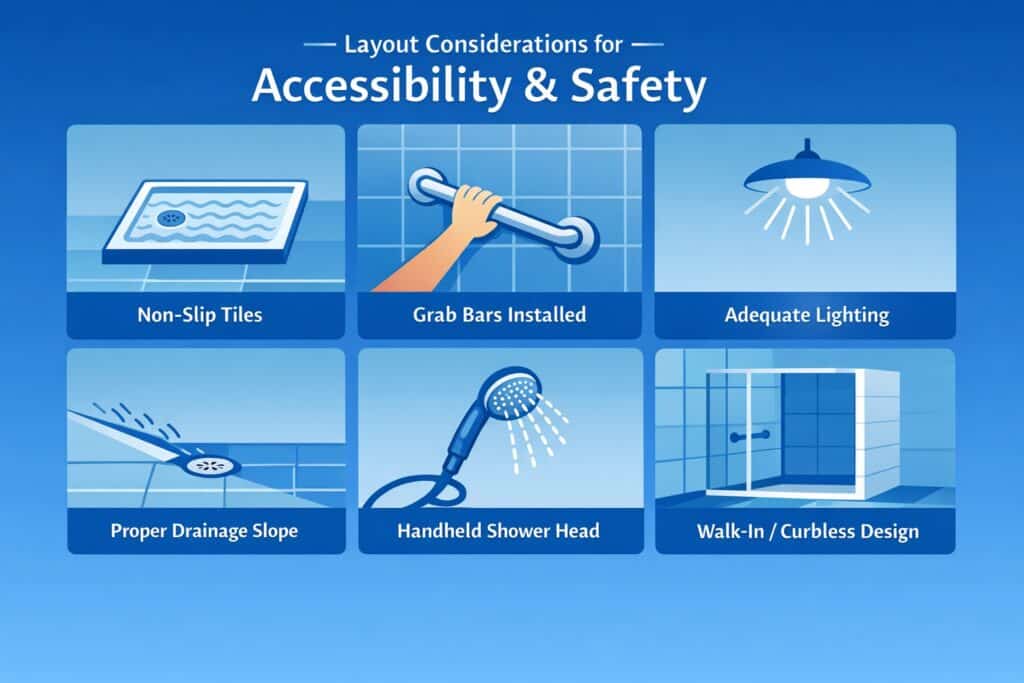
A well-planned shower layout should look great while still being easy and safe to use every day. The way you position entries, seating, and fixtures directly affects accessibility, comfort, and fall risk. Modern options like walk-in and curbless designs make the space feel more open while supporting long-term usability.
- Non-slip tiles or textured finishes on the shower base
- Grab rails installed at strategic points for stability
- Adequate lighting to prevent slips and falls
- Proper drainage slope to avoid water pooling
- Handheld shower heads for flexibility and ease of use
When these layout features are planned together, your shower becomes safer without losing its modern, clean finish. Small decisions—like where the rails go or how the floor is graded—can make a big difference in daily confidence and comfort. We design shower refurbishments with accessibility and safety in mind, tailoring the layout to your household now while also preparing for future needs.
Material Selection for Durability and Style
The materials you choose for your shower refurbishment impact both the look and longevity of the space. Tiles, fixtures, and hardware must withstand constant exposure to water, heat, and cleaning products. Selecting durable, low-maintenance options ensures your refurbishment stays looking great for years.
Porcelain and ceramic tiles are the most common choices for shower walls and floors. Porcelain is denser and more water-resistant, making it ideal for wet areas. Large-format tiles reduce grout lines, which means less maintenance and a cleaner appearance.
Natural stone like marble or travertine offers a luxury feel but requires more upkeep. Stone must be sealed regularly to prevent staining and water absorption. If you love the look but want easier maintenance, consider porcelain tiles that mimic natural stone textures.
Working with Licensed Renovators and Tradespeople
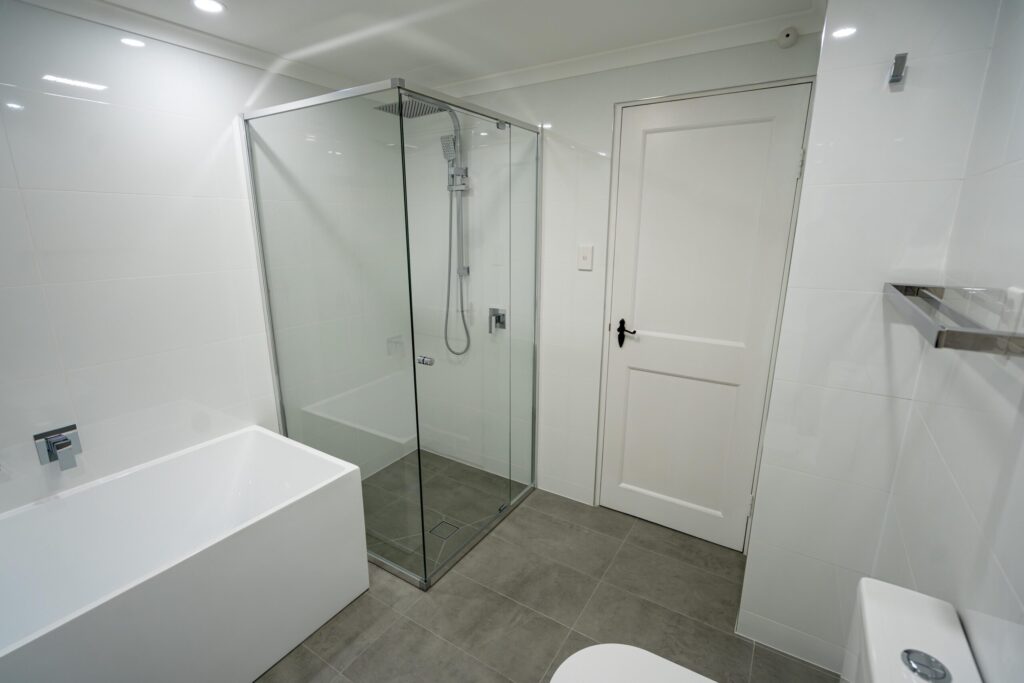
A successful shower refurbishment depends on skilled professionals who understand building codes, waterproofing standards, and design principles. Hiring licensed renovators ensures your project is completed safely, legally, and to a high standard of workmanship.
Licensed contractors coordinate all trades, including plumbers, tilers, waterproofers, and electricians. They manage permits, inspections, and compliance documentation, so you don’t have to navigate the process alone. This coordination reduces delays and ensures each stage is completed correctly before the next begins.
We bring over 15 years of renovation experience to every shower refurbishment project. Our team holds current NSW Fair Trading licenses and maintains full insurance coverage. From the first consultation to the final clean, we handle every detail with transparency and care.
Budgeting and Cost Factors in Shower Refurbishment
Understanding what drives the expense of a shower refurbishment helps you plan realistically and avoid surprises. Pricing depends on project scope, material choices, labor requirements, and the condition of your existing space. Setting a clear budget early allows you to prioritize features that matter most.
Labor typically accounts for 40 to 65 percent of the total project expense. This includes demolition, plumbing adjustments, waterproofing, tiling, and fixture installation. Custom tile work and intricate designs require more time and skill, which increases labor input.
Materials vary widely in price. Prefabricated shower bases and standard tiles keep expenses lower, while custom tiled shower bases, natural stone, and high-end fixtures push budgets higher. Balancing quality with practicality ensures you get lasting value without overspending.
Unexpected issues like hidden water damage or outdated plumbing can add to the final expense. A thorough inspection before work begins helps identify potential problems early, allowing you to adjust your budget or timeline as needed.
Timeline Expectations and Project Phases
Knowing what to expect at each stage of your shower refurbishment reduces stress and helps you plan around the work. While timelines vary depending on complexity, most projects follow a clear step-by-step sequence. When each phase is properly scheduled, you avoid rushed decisions and protect the quality of the finished result.
1. Onsite Consultation and Assessment
We inspect your existing shower, discuss your goals, take measurements, and check for plumbing or structural concerns that could affect the build.
2. Design and Material Selection
You’ll confirm layouts, finishes, and fixtures using samples or references so everything is locked in before demolition starts.
3. Demolition and Preparation
Old tiles, fixtures, and damaged substrates are removed, and the area is prepared for waterproofing—this is also where hidden issues may be uncovered and addressed.
4. Waterproofing and Inspection
A compliant membrane system is applied, tested, and certified before tiling begins, as this step is critical and cannot be rushed.
5. Tiling and Grouting
Walls and the shower base are tiled with attention to alignment, grout spacing, and drainage slope, followed by proper curing time for long-term durability.
6. Fixture and Screen Installation
Tapware, shower heads, and screens are installed after tiling, with final plumbing connections, sealing, and finishing completed at this stage.
7. Final Clean and Handover
The space is cleaned, inspected, and handed over with documentation such as waterproofing certificates and care instructions.
We provide clear timelines at the start so you know what’s happening and when. You’ll also get updates as each phase progresses, especially if anything unexpected is discovered during demolition. Our goal is a smooth, efficient refurbishment that respects your home and delivers a shower you’ll enjoy for years.
Conclusion
A successful shower refurbishment combines thoughtful planning, quality materials, and skilled execution. From selecting the right shower base for tiling to ensuring waterproofing compliance, every decision shapes the final result. Working with licensed professionals ensures your project meets Australian Standards and delivers a space that’s both beautiful and built to last.
Antons Renovation brings over 15 years of bathroom upgrade expertise to every shower project. Our licensed team ensures precision, quality finishes, and minimal disruption throughout your refurbishment. Get started with a trusted Sydney renovation specialist today.
Related Articles
- Shower Repairs for Leaking Showers: Causes & Long-Term Fixes
- What Homeowners Should Know About Leaking Shower Repair Costs
- 5 Essential Tips for Effective Shower Restoration Projects
FAQs
What Is Involved In A Shower Refurbishment?
A shower refurbishment typically involves updating or replacing fixtures, tiles, and fittings, as well as addressing any plumbing or structural issues. This process may include enhancing the aesthetics of the space and improving functionality to suit your lifestyle. At Antons Renovation, we meticulously plan and execute each refurbishment, ensuring every detail aligns with your vision.
How Much Does It Cost To Refurbish A Shower?
The cost of a shower refurbishment can vary widely based on factors such as materials, design complexity, and labor requirements. On average, homeowners can expect to invest anywhere from a few thousand to several thousand dollars. Our team at Antons Renovation provides tailored solutions to fit your budget while maintaining high-quality standards.
How Long Does A Shower Refurbishment Take?
The duration of a shower refurbishment project typically ranges from a few days to a couple of weeks, depending on the scope of work involved. Our experienced team at Antons Renovation strives to ensure a fast turnaround with minimal disruption to your home, keeping you informed throughout the process.
Can You Refurbish A Shower Yourself?
While some homeowners may attempt a DIY shower refurbishment, it often requires specialized skills and knowledge to ensure compliance with building codes and plumbing standards. Engaging a professional team like Antons Renovation can help avoid costly mistakes and ensure a high-quality finish.
What Are The Benefits Of Shower Refurbishment?
Shower refurbishment offers numerous benefits, including improved aesthetics, enhanced functionality, and increased property value. It also allows for better water efficiency and accessibility options tailored to your needs. With over 15 years of experience, Antons Renovation is committed to transforming your shower space into a stylish and practical area you can enjoy.
