
A dripping faucet or slow-draining bathroom basin sink can disrupt your daily routine and waste water. Many homeowners delay bathroom sink repair because they assume it requires expensive professional help. The truth is that some fixes are straightforward, while others benefit from expert attention to prevent recurring issues.
This guide walks you through common bathroom sink problems, simple DIY solutions, and when to call in licensed professionals. You’ll learn how to identify leaks, assess repair versus replacement, and make informed decisions that protect your home and budget.
Key Takeaways
- Most bathroom sink leaks originate from faucets, drain assemblies, or supply lines beneath the basin.
- Simple repairs like tightening fittings or replacing washers can resolve many leaks without professional help.
- Repair costs approaching 40–50% of a new sink typically make replacement the smarter investment.
- Faucets older than 10–15 years often lack available parts, making replacement more practical than repair.
- Licensed professionals ensure compliance with Australian Standards and deliver lasting solutions for complex issues.
Understanding Common Bathroom Sink Basin Problems
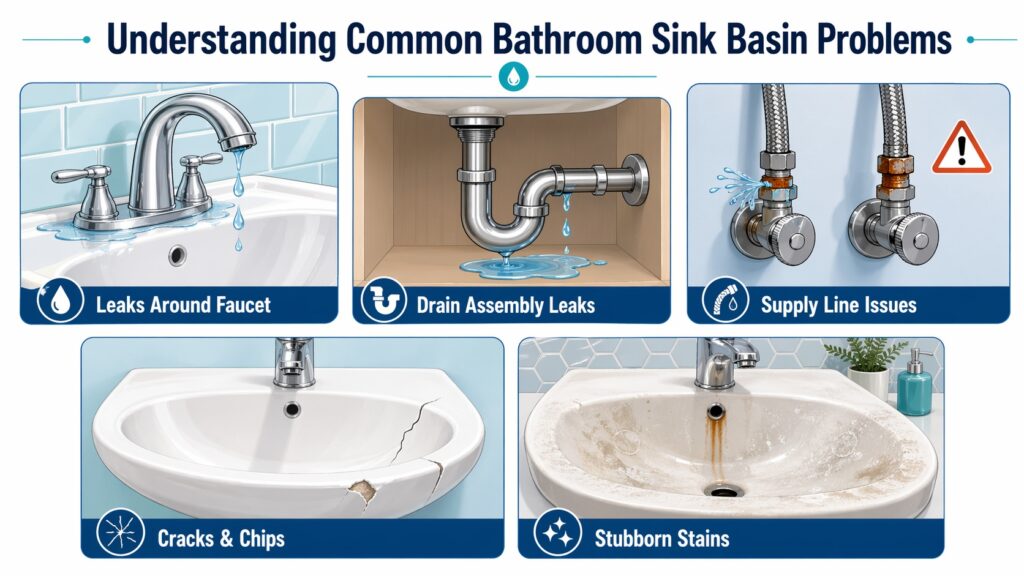
Bathroom sink basins go through daily wear from washing hands, brushing teeth, and handling constant moisture. Over time, this regular use can lead to visible and hidden issues that affect both function and appearance. Understanding the most common bathroom sink basin problems helps homeowners identify when a simple repair is enough or when replacement may be the better option.
Leaks Around the Faucet
Leaks around the faucet are one of the most common bathroom sink basin issues and often start with worn washers, O-rings, or valve seats. Even a small drip can waste water, create noise, and gradually lead to staining around the sink area. In many cases, tightening loose parts or replacing minor components can solve the problem before it becomes more serious.
Drain Assembly Leaks
Water pooling beneath the bathroom sink often points to problems in the drain assembly, such as loose slip nuts, a damaged tailpiece, or a worn P-trap connection. These leaks may seem minor at first, but they can eventually damage the vanity, cabinetry, or flooring below. A quick inspection and timely replacement of faulty parts can help prevent more expensive repairs later.
Supply Line Issues
The supply lines that connect the faucet to the shutoff valves can wear out over time and may develop leaks, rust, or weak spots. Older lines are especially vulnerable and can fail unexpectedly if they are not checked regularly. Replacing aging supply lines with durable stainless steel braided options is a practical way to improve reliability and reduce the risk of water damage.
Cracks and Chips
Ceramic and porcelain sink basins are durable, but they can still crack or chip if struck by heavy or sharp objects. Hairline cracks may look cosmetic at first, yet they can allow water to seep into surrounding surfaces and create bigger issues over time. While small damage can sometimes be patched temporarily, larger or expanding cracks usually mean the basin should be replaced.
Stubborn Stains
Bathroom sink basins often develop stains from hard water, rust, soap scum, and harsh cleaning products. While many surface marks can be removed with gentle cleaning, repeated staining may suggest that the finish is already worn or damaged. Choosing the right maintenance methods and recognizing when the surface is compromised can help keep the basin looking clean and functional.
Bathroom sink basin problems should never be ignored, even when they seem small at first. Minor leaks, stains, or cracks can quickly develop into larger issues that affect your plumbing, vanity, and overall bathroom condition. By spotting these warning signs early, you can protect your space, reduce repair costs, and keep your sink working properly for longer.
How to Perform Basic Bathroom Sink Repair
Many bathroom sink repairs require only basic tools and a bit of patience. Before starting, turn off the water supply at the shutoff valves beneath the sink. Place a bucket under the drain to catch any residual water.
1. Tightening Loose Fittings
Loose connections cause most minor leaks. Use an adjustable wrench to snug up slip nuts on the drain assembly and supply lines. Avoid overtightening, which can crack plastic fittings or strip threads.
Check all visible joints after tightening. Turn the water back on briefly to confirm the leak has stopped.
2. Replacing Faucet Washers and O-Rings
Shut off the water and remove the faucet handle by unscrewing the cap and handle screw. Lift out the stem or cartridge to access the washer and O-ring. Replace worn parts with exact matches from a hardware store.
Reassemble the faucet in reverse order. Turn the water on slowly to test for leaks around the handle and spout.
3. Cleaning or Replacing the P-Trap
The P-trap beneath your bathroom drain traps debris and prevents sewer gases from entering your home. Unscrew the slip nuts at both ends and remove the trap. Dump out any standing water and debris.
Rinse the trap thoroughly and inspect for cracks. Replace it if damaged, or reinstall it with fresh plumber’s tape on the threads.
4. Applying Plumber’s Tape and Sealant
Plumber’s tape, also called thread seal tape, prevents leaks at threaded connections. Wrap it clockwise around the threads before screwing fittings together. Use silicone sealant around the base of the faucet to prevent water from seeping under the sink rim.
Allow sealant to cure fully before using the sink. This step protects countertops and vanities from moisture damage.
5. Inspecting and Replacing Supply Lines
Turn off the water and disconnect the supply lines from the shutoff valves and faucet. Check for cracks, bulges, or corrosion. Replace old lines with stainless steel braided versions for added durability.
Hand-tighten the connections first, then use a wrench to snug them up. Turn the water on slowly and check for leaks at both ends.
Gather adjustable wrenches, screwdrivers, plumber’s tape, and replacement washers or O-rings. Having these items on hand prevents mid-repair trips to the hardware store. Follow each step carefully to avoid damaging fittings or creating new leaks.
When to Repair Versus Replace Your Bathroom Sink Basin
Deciding between repair and replacement depends on the sink’s age, condition, and repair costs. A quick fix makes sense for minor leaks or clogs. Extensive damage or outdated fixtures often justify replacement, especially when repair costs climb.
| Factor | Repair | Replace |
|---|---|---|
| Age of sink | Less than 10 years | 10–15 years or older |
| Repair cost | Under 40% of new sink | 40–50% or more of new sink |
| Availability of parts | Parts readily available | Parts discontinued or hard to find |
| Extent of damage | Minor leaks or clogs | Cracks, chips, or multiple issues |
| Design preference | Happy with current style | Want updated look or features |
Consider the sink’s material, style, and compatibility with your bathroom design. Modern basins offer improved durability, easier cleaning, and water-saving features. Weighing these factors helps you make a cost-effective choice.
Professional Bathroom Sink Repair Services in Sydney
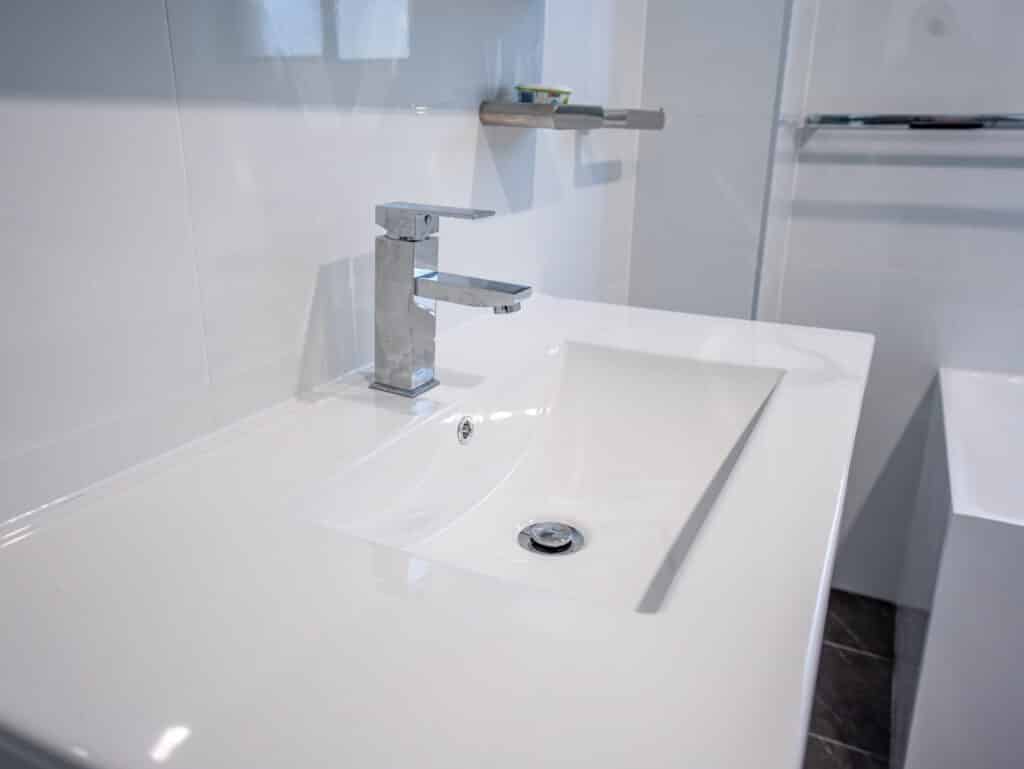
Complex repairs, hidden leaks, or outdated plumbing systems benefit from professional expertise. Licensed tradespeople diagnose issues accurately, source quality parts, and complete work to Australian Standards. Attempting advanced repairs without proper training can worsen damage and create safety hazards.
Why Choose Licensed Professionals
Licensed plumbers and renovators comply with NSW Fair Trading requirements and building codes. They carry insurance that protects your home during repairs. DIY mistakes can void warranties, damage fixtures, or lead to water damage that costs more to fix.
Professionals also spot underlying issues like corroded pipes or faulty shutoff valves. Addressing these problems early prevents emergencies and extends the life of your plumbing system.
What to Expect During a Repair Visit
A professional assessment begins with a thorough inspection of your bathroom drain, faucet, and supply lines. The technician explains the problem, outlines repair options, and provides a clear estimate. You decide whether to proceed with the recommended work.
Repairs typically complete within a few hours, depending on complexity. The technician tests all connections, cleans up the work area, and ensures your sink operates properly before leaving.
Long-Term Benefits of Professional Work
Quality repairs last longer and prevent repeat issues. Professionals use durable parts, apply correct installation techniques, and follow manufacturer guidelines. You avoid the frustration of recurring leaks or failed DIY fixes.
We also offer guidance on maintaining your bathroom basins and faucets. Simple habits like regular cleaning and prompt leak repairs extend the lifespan of your fixtures.
At Antons Renovation, we bring over 15 years of experience to every bathroom repair and renovation project. Our team handles everything from leaking sink faucets to full bathroom basin sink replacements. We use premium materials, provide transparent communication, and back our work with a service guarantee.
Real-World Example: Transforming an Outdated Bathroom Basin
A homeowner in Sydney’s Inner West contacted us about a leaking bathroom sink faucet and cracked ceramic basin. The fixtures were over 15 years old, and replacement parts were no longer available. We recommended a full sink and faucet replacement to modernize the bathroom and eliminate recurring issues.
We removed the old basin, updated the plumbing connections, and installed an undermount sink with a water-saving faucet. The new setup reduced water waste, improved aesthetics, and provided a fresh warranty. The homeowner appreciated the fast turnaround and minimal disruption to their daily routine.
This project highlights how professional service delivers lasting solutions. Attempting to repair outdated fixtures would have wasted time and money without addressing the root problems.
Preventive Maintenance Tips for Bathroom Sink Basins
Regular maintenance reduces the need for emergency repairs and keeps your bathroom basin sink looking new. Small efforts like cleaning aerators, checking for leaks, and avoiding harsh chemicals make a big difference. Prevention costs less than repair and protects your investment.
- Clean faucet aerators every few months to maintain water pressure and prevent clogs.
- Check under the sink for moisture, rust, or loose fittings during routine cleaning.
- Avoid pouring harsh chemicals down the bathroom drain, which can corrode pipes and gaskets.
- Use mild cleaners and soft cloths to preserve the finish on ceramic and porcelain basins.
- Replace supply lines and drain gaskets every 5–7 years to prevent sudden failures.
- Schedule professional inspections during bathroom renovations or when buying a new home.
Inspect your sink, faucet, and drain monthly for signs of wear. Catching problems early lets you fix them before they escalate. Simple habits like wiping down the basin after use prevent stains and mineral buildup.
Conclusion
Bathroom sink repair doesn’t have to drain your time or budget. Simple fixes like tightening fittings or replacing washers solve many common problems. When issues persist or fixtures age beyond repair, professional replacement delivers lasting value. We’re here to help Sydney homeowners make smart decisions and enjoy bathrooms that work beautifully for years to come.
Antons Renovation brings over 15 years of bathroom renovation expertise to Sydney homeowners. Our licensed team handles repairs and full upgrades with precision and transparency. Get started with a trusted local specialist today.
Related Articles
FAQs
What Are Common Bathroom Sink Problems?
Common bathroom sink problems include leaks, clogs, slow drainage, and worn-out faucets. These issues can often stem from loose connections, buildup of debris, or age-related wear, and addressing them promptly can save time and money.
How Do You Fix A Leaking Bathroom Sink?
To fix a leaking bathroom sink, start by turning off the water supply. Inspect the faucet and pipes for loose connections or damage. Tighten any loose fittings, replace worn washers or seals, and ensure that the drain is properly sealed. If the issue persists, consulting a professional can ensure a lasting solution.
Can You Repair A Bathroom Sink Yourself?
Yes, many bathroom sink repairs can be done yourself, especially minor issues like tightening connections or unclogging drains. However, for more complex problems or if you’re unsure, it’s best to seek assistance from a licensed expert like Antons Renovation, who can ensure quality workmanship.
What Tools Do I Need For Bathroom Sink Repair?
Essential tools for bathroom sink repair include an adjustable wrench, screwdriver, plunger, pipe wrench, and plumber’s tape. Having these tools on hand can help you tackle minor repairs effectively, but for larger projects, professional support can provide peace of mind.
How Much Does It Cost To Repair A Bathroom Sink?
The cost to repair a bathroom sink can vary widely based on the issue and location, ranging from $100 to $500 or more. For a precise estimate tailored to your specific needs, consider reaching out to our experienced team at Antons Renovation, who can provide transparent pricing and exceptional service.
