
Small kitchen renovations require strategic planning to maximise every square centimetre while creating a functional and beautiful space. Sydney homeowners face unique challenges with compact apartments and heritage homes that demand clever design solutions. The key to success lies in understanding how to optimise layout, storage, and materials within your available space and budget.
This guide reveals five essential strategies that transform cramped kitchens into efficient culinary hubs. You’ll discover practical approaches to layout planning, space-saving storage, smart material selection, and budget management that deliver maximum impact.
Key Takeaways
- Strategic layout planning maximises workflow efficiency in compact kitchen spaces.
- Vertical storage solutions double your storage capacity without expanding floor space.
- Light colours and reflective surfaces create the illusion of larger kitchen areas.
- Quality materials in key areas provide better long-term value than cheap alternatives.
- Professional planning prevents costly mistakes and ensures optimal space utilisation.
Understanding these fundamentals sets the foundation for a successful small kitchen transformation that enhances both functionality and visual appeal.
1. Master Your Kitchen Layout for Maximum Efficiency
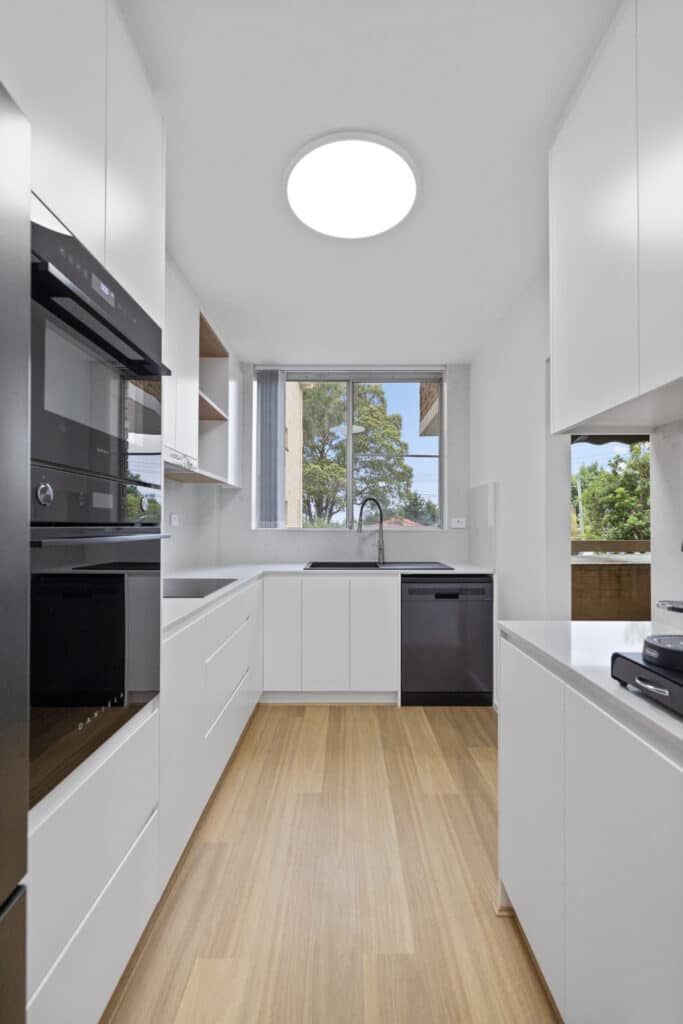
The kitchen work triangle remains the gold standard for small kitchen design, connecting your sink, stove, and refrigerator in an efficient pathway. This principle becomes even more critical in compact spaces where every step counts. A well-planned triangle reduces unnecessary movement and creates a natural workflow that makes cooking enjoyable rather than frustrating.
Galley Layout Advantages
Galley kitchens work exceptionally well in narrow spaces by placing all appliances and storage along two parallel walls. This design creates a clear pathway while keeping everything within arm’s reach. The key is maintaining at least 1.2 metres between opposing counters to allow comfortable movement and cabinet access.
L-Shaped Configuration Benefits
L-shaped layouts maximise corner space while providing ample counter area for food preparation. This design works particularly well in open-plan homes where the kitchen flows into living areas. Corner storage solutions like lazy Susans or pull-out drawers make these traditionally difficult spaces highly functional.
Peninsula and Island Considerations
Small peninsulas can add valuable counter space and storage without the footprint requirements of a full island. Consider a peninsula with bar seating to create casual dining space. Islands work only when you can maintain 1 metre clearance on all sides for safe movement.
Professional Layout Assessment
We specialise in analysing existing kitchen layouts to identify opportunities for improved functionality within your current footprint. Our team evaluates traffic patterns, storage needs, and appliance placement to create customised solutions. This assessment often reveals simple changes that dramatically improve kitchen efficiency without major structural modifications.
2. Smart Storage Solutions That Double Your Space
Vertical storage transforms small kitchens by utilising wall space from floor to ceiling for maximum storage capacity. Pull-out drawers in base cabinets provide better access than traditional shelving, allowing you to reach items stored at the back. Corner storage solutions eliminate dead space while keeping frequently used items easily accessible.
Ceiling-Height Cabinetry
Extending cabinets to the ceiling creates substantial additional storage for items used less frequently. This approach also makes ceilings appear higher, enhancing the sense of space. Use the upper sections for seasonal items, serving pieces, or bulk storage containers.
Pull-Out Pantry Systems
Narrow pull-out pantries fit into spaces as small as 150mm wide, providing surprising storage capacity for spices, oils, and condiments. These systems bring items from the back to the front with a simple pull. Install multiple narrow units rather than one wide pantry for better organisation and access.
Under-Cabinet Storage
Utilise the space beneath upper cabinets with hanging racks for mugs, wine glasses, or utensils. Magnetic strips hold knives safely while freeing up counter space. Under-cabinet lighting enhances functionality while creating ambient lighting that makes the space feel larger.
Multi-Functional Furniture
Kitchen islands or carts with built-in storage serve multiple purposes in small spaces. Choose pieces that can roll away when not needed or provide seating with hidden storage compartments. Bench seating with lift-up tops creates dining space while storing linens, small appliances, or seasonal items.
3. Material Selection for Visual Space Enhancement
Light-coloured materials reflect natural light and create the illusion of expanded space in small kitchens. Glossy finishes on cabinets and tiles bounce light around the room more effectively than matte surfaces. Consistent colour schemes throughout the kitchen eliminate visual breaks that can make spaces feel choppy and smaller.
| Material Type | Light Options | Visual Impact | Maintenance Level |
|---|---|---|---|
| Cabinet Finishes | White, Light Grey, Natural Timber | Reflects light, expands space | Medium to High |
| Benchtops | White Quartz, Light Marble, Concrete | Creates clean lines | Low to Medium |
| Backsplashes | White Subway, Glass, Natural Stone | Adds depth and reflection | Low to High |
| Flooring | Light Timber, Large Tiles, Polished Concrete | Continuous flow | Medium |
Cabinet Finish Impact
White or light grey cabinets remain popular choices for small kitchens because they reflect maximum light. High-gloss finishes amplify this effect but show fingerprints more readily than semi-gloss options. Consider two-tone schemes with darker lower cabinets and lighter uppers to ground the space while maintaining brightness.
Benchtop Material Considerations
Light-coloured stone benchtops with subtle veining add visual interest without overwhelming small spaces. Quartz offers consistent patterns and colours that work well in compact kitchens. Avoid busy patterns or dark colours that can make benchtops appear to advance toward you, shrinking the perceived space.
Backsplash Design Strategy
Large-format tiles create fewer grout lines and a cleaner appearance that enhances the sense of space. Subway tiles installed horizontally emphasise width, while vertical installation adds perceived height. Mirror or glass backsplashes reflect light and views, effectively doubling the visual depth of your kitchen.
Flooring Continuity
Extending the same flooring material from adjacent rooms into the kitchen creates visual flow and makes the space appear larger. Light-coloured timber or large-format tiles work particularly well for this purpose. Avoid busy patterns or dramatic colour changes that create visual boundaries.
4. Budget Control Strategies for Small Kitchen Remodeling Ideas
Focus your budget on high-impact changes that deliver maximum visual and functional improvement per dollar spent. Cabinet refacing or painting costs significantly less than full replacement while still transforming the kitchen’s appearance. Prioritise quality in items you touch daily, such as cabinet hardware, faucets, and benchtop surfaces.
Phased Renovation Approach
Complete your small kitchen renovation in phases to spread costs over time while living in your home. Start with cosmetic updates like painting and new hardware, then progress to benchtops and appliances. This approach allows you to save for each phase while enjoying immediate improvements.
Cost-Effective Updates
- Paint existing cabinets instead of replacing them entirely
- Install new cabinet doors while keeping existing boxes
- Add under-cabinet lighting for dramatic impact at low cost
- Replace cabinet hardware for an instant style update
- Install a new backsplash to refresh the entire space
Investment Priority Areas
Allocate larger portions of your budget to elements that affect daily function and long-term durability. Quality benchtops, reliable appliances, and proper lighting systems provide better value than expensive decorative elements. These investments enhance both usability and resale value.
Professional vs DIY Considerations
Certain aspects of kitchen renovations require professional expertise to ensure safety and compliance with building codes. Plumbing, electrical work, and gas connections must be completed by licensed tradespeople. DIY tasks like painting, installing hardware, or simple tile work can reduce labour costs.
5. Professional Planning for Small Modern Kitchen Designs
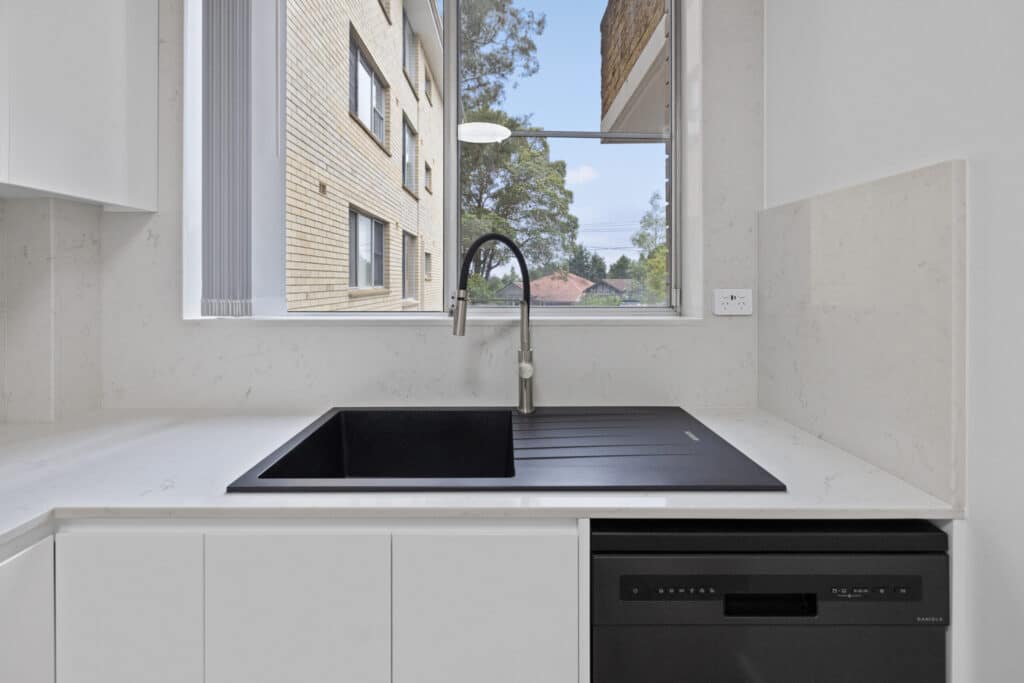
Expert planning prevents costly mistakes and ensures optimal use of every centimetre in your small kitchen renovation. Professional designers understand how to balance aesthetics with functionality while working within space and budget constraints. This expertise becomes invaluable when dealing with structural limitations, building codes, and appliance integration.
We bring over 15 years of experience to every small kitchen project, helping Sydney homeowners maximise their space potential. Our design process begins with detailed measurements and lifestyle assessments to understand how you use your kitchen.
Design Process Benefits
Professional design services include 3D visualisations that help you see proposed changes before construction begins. This preview allows adjustments to layout, materials, and finishes without costly changes during construction. Detailed plans also ensure accurate quotes and prevent miscommunication with tradespeople.
Code Compliance Assurance
Building codes affect ventilation, electrical placement, and plumbing locations in kitchen renovations. Professional designers ensure your plans meet all requirements before construction starts. This compliance prevents delays and additional costs from code violations discovered during inspection.
Appliance Integration Planning
Proper appliance planning ensures adequate electrical supply, ventilation, and clearances for safe operation. Designers coordinate appliance delivery timing with construction phases to prevent damage or storage issues. This coordination is particularly important in small kitchens where space for temporary storage is limited.
Material Coordination Services
Professional designers coordinate material selection to ensure colours, textures, and finishes work harmoniously together. They also schedule deliveries to arrive when needed during construction. This coordination prevents delays and ensures materials are protected from damage during the renovation process.
How to Choose the Right Contractor for Small Kitchen Renovations
Choosing the right contractor is one of the most important decisions when planning small kitchen renovations. Experienced professionals understand how to maximise space, coordinate trades, and ensure compliance with building regulations. Homeowners researching kitchen renovation Sydney projects often compare several contractors before making a final decision.
Check Licensing and Experience
Ensure your renovation company holds the appropriate NSW building licenses and has proven experience completing small kitchen renovations. Experienced contractors understand the challenges of working in compact Sydney apartments and older homes.
Review Previous Projects
Look for portfolios that include projects similar in size and style to your kitchen. Homeowners frequently search small kitchen renovations Sydney reviews online to evaluate workmanship, reliability, and communication quality.
Request Detailed Quotes
Professional contractors provide clear quotes outlining materials, labour costs, timelines, and inclusions. Transparent pricing helps homeowners compare renovation proposals accurately.
Look for Local Expertise
Working with contractors familiar with your local area can be beneficial. For example, homeowners planning kitchen renovations Castle Hill or surrounding suburbs may benefit from companies experienced with local building requirements and home styles.
Choosing the right renovation team ensures smoother project delivery, better workmanship, and long-term satisfaction with your kitchen upgrade.
Conclusion
Successful small kitchen renovations combine strategic planning with smart design choices that maximise both function and visual appeal. Professional guidance ensures your investment delivers lasting value through proper planning, quality materials, and expert execution. Transform your compact kitchen into an efficient, beautiful space that enhances your daily life and home value.
Antons Renovation brings 15+ years of expertise to kitchen transformations across Sydney Metro. Our licensed team specializes in maximizing small spaces with smart design solutions. Get started on your dream kitchen today.
Related Articles
- Essential Tips for Small Kitchen Renovations in Sydney
- 5 Crucial Factors for Kitchen and Bathroom Renovations
- Kitchen Renovations Western Sydney: What Local Homeowners Should Plan First
FAQs
What Are Some Small Kitchen Renovation Ideas?
There are many smart ideas that can improve both style and function in compact kitchens. Open shelving can create a more airy feel, while a kitchen island with built-in storage or seating can make better use of limited floor space. Many homeowners planning small kitchen renovations also choose modern cabinetry finishes, pull-out pantry systems, under-cabinet lighting, and multi-purpose storage features to make the room feel more spacious and practical.
At Antons Renovation, we design tailored solutions that suit your lifestyle, making us a trusted choice for homeowners looking for the best small kitchen renovations Sydney can offer.
How Much Does A Small Kitchen Renovation Cost?
The cost of a small kitchen renovation depends on the layout, materials, appliances, and whether plumbing or electrical changes are required. In many cases, homeowners researching small kitchen renovations Sydney cost or small kitchen renovations Sydney price can expect to invest anywhere from $15,000 to $30,000 or more for a well-finished result. Higher-end projects with custom joinery, stone benchtops, or premium appliances may increase the overall cost.
At Antons Renovation, we provide transparent quotes and practical recommendations so your kitchen renovation Sydney project stays aligned with your goals and budget.
What Are The Best Colors For A Small Kitchen?
Light colours such as white, cream, soft grey, and pale beige are often the best choices for small kitchens because they reflect more light and help the room feel open. You can still introduce contrast through handles, splashbacks, tapware, or feature lighting without making the space feel cramped. For homeowners planning small kitchen renovations Sydney, choosing the right palette can make a major difference in how spacious the kitchen looks and feels.
Antons Renovation helps clients select colours and finishes that match both their personal style and the practical demands of everyday use.
How Can I Maximize Space In A Small Kitchen?
Maximising space starts with smart planning. Tall cabinets, corner storage solutions, pull-out drawers, integrated appliances, and multi-functional features such as island storage can all improve usability in compact kitchens. Open layouts, reflective finishes, and carefully placed lighting also help smaller rooms feel larger. If you are searching for kitchen renovations near me, working with an experienced team like Antons Renovation can make a big difference, as we specialise in layouts that improve storage, movement, and day-to-day convenience.
What Should I Consider When Renovating A Small Kitchen?
When renovating a small kitchen, it is important to focus on functionality, workflow, storage, lighting, and ventilation. You should also consider the durability of materials, the amount of bench space you need, and whether the layout supports how your household cooks and entertains. Many homeowners compare small kitchen renovations Sydney reviews before choosing a renovation company, and for good reason — experience and attention to detail matter in smaller spaces.
At Antons Renovation, we guide you through every stage of the process to create a kitchen that is practical, attractive, and built to last.
Can You Redo A Kitchen for $50,000?
Yes, a $50,000 budget can achieve a very strong result, especially for small kitchen renovations that do not require major structural changes. This budget can often cover custom cabinetry, quality benchtops, splashbacks, new appliances, upgraded lighting, and improved storage features. For homeowners comparing small kitchen renovations Sydney price and small kitchen renovations Sydney cost, $50,000 is often enough to create a stylish and highly functional kitchen with quality finishes.
Antons Renovation works closely with clients to prioritise the features that deliver the most value, making us a reliable option for anyone planning a kitchen renovation Sydney project.
What Is The Most Expensive Part Of Redoing A Kitchen?
Cabinetry is usually the most expensive part of a kitchen renovation, especially when custom joinery is involved. Benchtops, appliances, and layout changes can also add significantly to the total cost, particularly when plumbing or electrical work needs to be relocated. Some homeowners compare flat-pack options such as kitchen renovations Bunnings, while others prefer a more tailored finish that better suits their home and lifestyle.
At Antons Renovation, we help clients balance cost, quality, and long-term durability so they get a kitchen that not only looks great but performs well for years to come.
Who Should I Hire For Kitchen Renovations?
If you are planning kitchen renovations Castle Hill, it is worth choosing a renovation company with proven experience, clear communication, and a portfolio of quality workmanship. A good renovation team should understand space planning, material selection, and the importance of combining style with long-term practicality. Antons Renovation is a trusted choice for homeowners who want a smooth renovation process, transparent guidance, and high-quality finishes.
Whether you are upgrading a compact layout or investing in one of the best small kitchen renovations Sydney homeowners are looking for, our team is committed to delivering results you can enjoy every day.
