
Renovating a bathroom involves complex decisions that impact your daily comfort and property value for years to come. Poor planning during the initial stages often leads to costly mistakes, compliance issues, and disappointing results that require expensive fixes down the track. Smart homeowners understand that successful bathroom renovation starts with thorough consideration of five critical factors before any demolition begins.
This guide outlines the essential considerations every Sydney homeowner must evaluate when renovating a bathroom—especially if you’re planning an apartment bathroom renovation Sutherland Shire and comparing bathroom renovators near me based on compliance, workmanship, and timelines. You’ll learn how early decisions about layout, waterproofing, ventilation, materials, and budget control directly influence long-term durability and daily functionality.
Key Takeaways
- Layout planning determines functionality and compliance with Australian building standards for bathroom spaces.
- Waterproofing requirements are mandatory in NSW and must be completed by licensed professionals to prevent structural damage.
- Proper ventilation prevents moisture buildup that causes mould, mildew, and deterioration of bathroom finishes.
- Material selection impacts both immediate costs and long-term maintenance requirements for your renovated space.
- Budget control requires understanding all project phases to avoid cost overruns and incomplete work.
Understanding these fundamental aspects helps ensure your bathroom renovation delivers lasting value and daily satisfaction.
1. Strategic Layout Planning for Bathroom Renovation Success
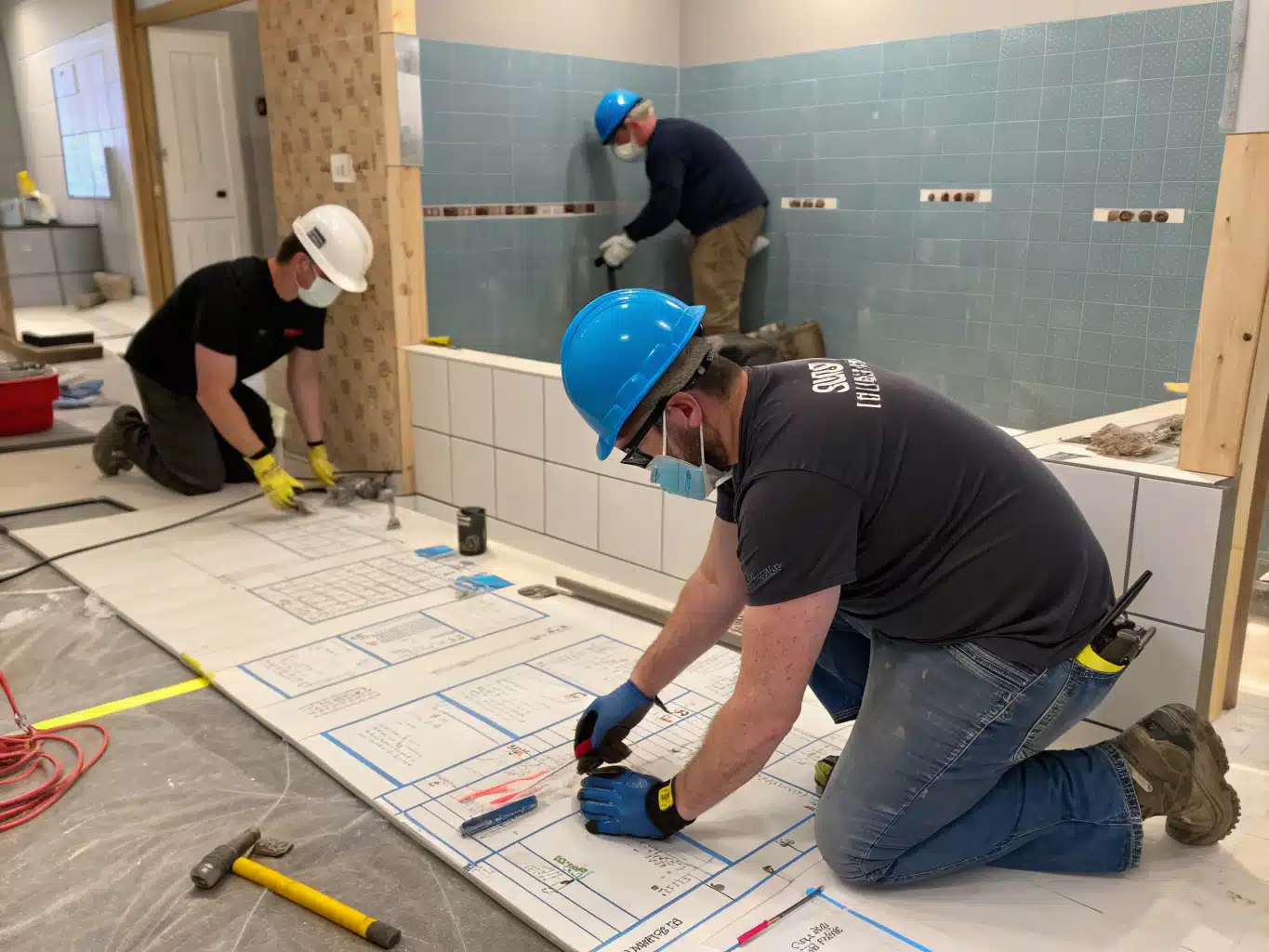
Layout planning forms the foundation of every successful bathroom renovation project, especially for bathroom renovations Sydney properties where space and compliance are key. The arrangement of fixtures, storage, and movement paths determines how well your new bathroom functions for daily use when renovating a bathroom. Poor layout decisions create ongoing frustration and often require expensive modifications to correct.
Effective bathroom layout considers both current needs and future requirements. Small bathroom ideas often focus on maximising space efficiency while maintaining comfort and accessibility.
Fixture Placement and Building Code Compliance
Australian building standards specify minimum clearances between fixtures for safety and accessibility. Toilets require 600mm of clear space in front and 200mm on each side for comfortable use. Shower areas need adequate access space and proper drainage slopes to prevent water pooling.
Traffic Flow and Daily Usage Patterns
Consider how multiple family members use the space during busy morning routines—this matters even more for households in areas like Castlereagh, where shared bathrooms often see heavy morning traffic. This matters even more in a bathroom renovation South-Western Sydney where family bathrooms often get heavy daily use. Ensuite bathroom ideas should accommodate two people moving around simultaneously without crowding.
Plan storage locations for frequently used items within easy reach of relevant fixtures.
Plumbing and Electrical Infrastructure
In an apartment renovation Sydney, —especially in strata-heavy areas like Breakfast Point—existing plumbing locations significantly impact renovation costs, approvals, and overall complexity when renovating a bathroom. Moving water supply lines or drainage pipes requires additional structural work and council approvals. Electrical outlets must be positioned according to safety zones specified in Australian electrical standards.
Natural Light and Privacy Requirements
Window placement affects both privacy and ventilation in your renovated bathroom. In privacy-sensitive homes—common in leafy suburbs like Castlecrag—frosted glazing and smart sightlines help maintain natural light while ensuring comfortable privacy. Artificial lighting should complement natural light sources throughout different times of day.
Storage Integration and Space Optimisation
Built-in storage solutions maximise available space without creating visual clutter. Plan storage for towels, toiletries, cleaning supplies, and personal items during the design phase. Recessed shelving and vanity storage work particularly well in compact Sydney bathrooms when renovating a bathroom.
2. Waterproofing Requirements and Compliance Standards
Waterproofing represents the most critical technical aspect of any bathroom renovation in NSW when renovating a bathroom. Australian Standard AS 3740 mandates specific waterproofing requirements for wet areas to prevent water damage to surrounding structures when renovating a bathroom. Failure to meet these standards can result in expensive repairs and insurance claim rejections.
Licensed waterproofing contractors must complete all wet area sealing work and provide compliance certificates. This documentation proves your renovation meets legal requirements and protects your property investment.
Mandatory Waterproofing Zones
When renovating a bathroom, shower areas require waterproofing to 1800mm height on all walls and complete floor coverage extending 100mm beyond the shower threshold. Bath surrounds need waterproofing to 150mm above the bath rim or 1200mm height, whichever is higher. Floor areas throughout the entire bathroom must be waterproofed to prevent moisture penetration.
Membrane Selection and Installation Standards
Quality waterproof membranes form the barrier between water and structural elements. Liquid-applied membranes offer flexibility and complete coverage around complex shapes and penetrations. Sheet membranes provide consistent thickness but require careful sealing at joints and corners.
Penetration Sealing and Critical Details
Pipe penetrations, mixer outlets, and fixture mounting points require special sealing attention. These areas experience high stress and movement that can compromise waterproof barriers over time. Professional installation ensures proper sealing techniques and appropriate sealant selection for each application.
Compliance Documentation and Certification
When renovating a bathroom, licensed contractors must provide waterproofing compliance certificates upon completion of wet area work. These documents specify membrane types, installation methods, and testing procedures used during your renovation. Keep these certificates for insurance purposes and future property transactions.
3. Ventilation Systems for Moisture Control in Bathroom Renovation
When renovating a bathroom, adequate ventilation prevents moisture-related problems that can destroy your bathroom renovation investment within months. High humidity levels promote mould growth, damage paint and wallpaper, and cause timber fixtures to warp or rot. Proper ventilation design removes moisture-laden air before it can cause these expensive problems.
Building Code of Australia requires mechanical ventilation in bathrooms without adequate natural ventilation. The system must remove moisture effectively while operating quietly enough for comfortable daily use.
Exhaust Fan Sizing and Performance Requirements
Bathroom exhaust fans must move sufficient air volume to remove moisture generated during typical usage. Calculate fan capacity based on room volume and air change requirements specified in Australian standards. Undersized fans fail to remove moisture effectively, while oversized units waste energy and create excessive noise.
Ducting Design and Installation Considerations
Exhaust ducting should follow the shortest possible path to the external discharge point. Avoid unnecessary bends and restrictions that reduce airflow efficiency and increase noise levels. Insulated ducting prevents condensation buildup within roof spaces that can drip back into the bathroom or damage ceiling materials.
Natural Ventilation Integration
Windows and skylights provide natural ventilation that complements mechanical systems during suitable weather conditions. Position openable windows to create cross-ventilation that draws fresh air through the space. Privacy glass maintains natural light benefits while ensuring adequate privacy for bathroom use.
Humidity Control and Prevention Strategies
Ventilation timing affects moisture removal efficiency in your renovated bathroom. Automatic humidity sensors start exhaust fans when moisture levels rise and continue operation until humidity returns to acceptable levels. This prevents manual operation oversight that allows moisture buildup.
4. Material Selection Impact on Bathroom Renovation Durability
When renovating a bathroom, material choices determine both the immediate appearance and long-term performance of your bathroom renovation, including a bathroom renovation in Werrington West, including Western Sydney small bathroom renovations and Cranebrook where moisture resistance matters most. Quality materials resist moisture damage, maintain their appearance over time, and require minimal maintenance to stay looking fresh. Poor material selection leads to premature deterioration, frequent repairs, and disappointing results that diminish your renovation investment.
Consider maintenance requirements, moisture resistance, and style longevity when selecting finishes for your renovated space.
- Tile Selection for Wet Areas: Porcelain tiles offer superior water resistance and durability compared to ceramic alternatives. Large format tiles reduce grout lines that require ongoing maintenance and potential water penetration points.
- Vanity and Cabinetry Materials: Moisture-resistant materials like marine-grade plywood or solid surface options withstand bathroom humidity better than standard particleboard. Quality hardware and soft-close mechanisms maintain smooth operation despite daily moisture exposure.
- Fixture Quality and Longevity: Premium tapware and showerheads resist corrosion and maintain consistent performance over many years of use. Quality fixtures often include longer warranty periods that protect your renovation investment.
- Flooring Performance in Wet Conditions: Non-slip flooring provides safety while maintaining attractive appearance throughout daily use. Consider thermal properties if underfloor heating forms part of your bathroom renovation plans.
- Paint and Sealant Specifications: Bathroom-specific paints resist moisture and prevent mould growth on painted surfaces. Quality sealants maintain flexible waterproof barriers around fixtures and fittings despite building movement and temperature changes.
We source premium materials from trusted suppliers and provide clear guidance on maintenance requirements for your specific selections. Our experience with Sydney’s climate conditions helps ensure material choices perform well in local environmental conditions.
5. Budget Control Strategies for Bathroom Renovation Projects
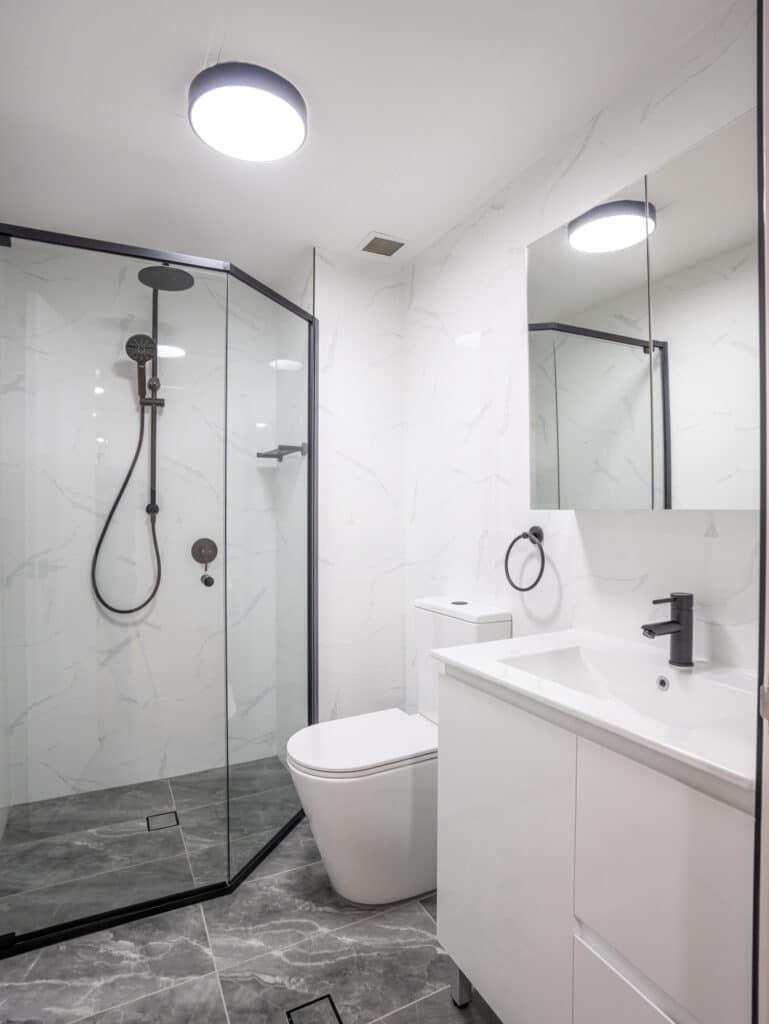
Effective budget management prevents cost overruns that can derail your bathroom renovation or force compromises on important features when renovating a bathroom. Understanding all project costs upfront allows realistic planning and prevents unexpected expenses that strain household finances when renovating a bathroom. Smart budgeting includes contingency allowances for unforeseen issues that commonly arise during renovation work.
Labour costs typically represent the largest portion of bathroom renovation expenses in Sydney’s competitive market, including bathroom renovations Eastern Suburbs. Material selections and project complexity significantly influence final costs, making early planning essential for budget control.
| Budget Category | Typical Percentage | Key Considerations |
|---|---|---|
| Labour Costs | 40-60% | Licensed trades, scheduling flexibility |
| Materials & Fixtures | 30-45% | Quality levels, delivery timing |
| Permits & Compliance | 5-10% | Mandatory requirements, certification |
| Contingency | 10-15% | Unexpected issues, changes |
1. Comprehensive Cost Planning and Allowances
Include all project phases in your initial budget planning, from design and permits through to final cleaning and handover. Factor in temporary accommodation costs if your renovation affects your only bathroom facility. When renovating a bathroom, allow 10–15% contingency for unexpected issues like hidden structural problems or necessary upgrades to meet current building standards.
2. Material Cost Management and Timing
Material costs fluctuate based on availability and seasonal demand patterns. Lock in pricing for major items early in the planning process to avoid price increases during construction. Consider alternative products that offer similar performance at different price points to maintain budget flexibility when renovating a bathroom.
3. Labour Cost Factors and Scheduling
Skilled trades command premium rates in Sydney’s competitive renovation market. Rushed scheduling increases labour costs and may compromise work quality due to limited contractor availability. Plan adequate timeframes to secure quality tradespeople at reasonable rates.
4. Permit and Compliance Cost Considerations
Council permits and compliance certifications add to your renovation budget but are mandatory for legal completion. Waterproofing certificates, electrical safety checks, and building approvals protect your investment and ensure insurance coverage remains valid.
5. Value Engineering and Priority Setting
When renovating a bathroom, identify which features provide the greatest long-term value and prioritise these elements in your budget allocation. Consider which upgrades can be completed later if initial budget constraints require phased implementation. Focus spending on structural elements and waterproofing that are difficult to upgrade after completion.
Our transparent pricing approach provides detailed breakdowns of all project costs before work begins. We help Sydney homeowners understand where their renovation budget delivers the greatest long-term value and functionality.
Conclusion
Successful bathroom renovation requires careful consideration of layout efficiency, compliance requirements, moisture management, material durability, and realistic budget planning. These five essential factors work together to create functional spaces that enhance daily comfort while protecting your property investment. Working with experienced renovation professionals ensures every decision supports your long-term satisfaction and compliance with Australian building standards.
Antons Renovation brings over 15 years of bathroom renovation expertise to Sydney Metro homeowners. Our licensed team handles every detail from planning to completion with precision. Get started on your dream bathroom transformation today.
Related Articles
- 5 Common Mistakes to Avoid in Complete Bathroom Renovations
- What to Know Before Your Simple Bathroom Renovation
FAQs
What Are The Steps To Renovate A Bathroom?
Renovating a bathroom typically involves several key steps: planning and design, budgeting, selecting materials, obtaining necessary permits, demolition, construction, and final touches. At Antons Renovation, we guide you through each step with meticulous planning and open communication, ensuring a seamless transformation.
How Much Does It Cost To Renovate A Bathroom?
The cost of a bathroom renovation can vary widely based on factors such as size, materials, and design complexity. On average, homeowners can expect to spend anywhere from $10,000 to $30,000. Our experienced team at Antons Renovation works with you to tailor the project to fit your budget while delivering high-quality results.
What Should I Consider When Renovating A Bathroom?
When renovating a bathroom, consider layout, functionality, storage needs, style, and accessibility features. It’s important to choose materials that are durable and easy to maintain. At Antons Renovation, we prioritize your vision and lifestyle, ensuring every aspect is thoughtfully designed to suit your needs.
How Long Does It Take To Renovate A Bathroom?
The duration of a bathroom renovation can range from a few weeks to several months, depending on the scope of the project. Our streamlined process at Antons Renovation aims for a fast turnaround with minimal disruption, keeping you informed every step of the way.
Do I Need A Permit To Renovate My Bathroom?
In most cases, a permit is required for bathroom renovations, especially if you’re making structural changes or altering plumbing and electrical systems. Antons Renovation handles all necessary permits and complies with NSW Fair Trading licensing requirements to ensure your project meets all legal standards.
Can I Complete Bathroom Renovations Under $10,000 Sydney?
Yes, bathroom renovations under $10,000 Sydney homeowners aim for are possible when renovating a bathroom that keeps the existing layout, plumbing positions, and structural elements unchanged. Cosmetic upgrades such as new tiles, updated tapware, modern lighting, and a replacement vanity can significantly refresh the space without major construction costs. However, truly cheap bathroom renovations Sydney providers advertise often exclude waterproofing certification or licensed trade compliance, so it’s essential to confirm inclusions before proceeding.
A realistic scope and detailed quote ensure your renovation remains compliant while achieving meaningful visual improvement.
What Is The Difference Between Small And Prestige Bathroom Renovations?
When renovating a bathroom, the difference between small bathroom renovations Sydney projects and prestige bathroom renovations lies in scope, materials, and customization level. Small upgrades typically focus on functional improvements and efficient space optimisation, particularly in apartments or compact homes, including bathroom renovations Western Sydney properties where layout constraints are common. Prestige projects involve high-end finishes, custom joinery, premium stone surfaces, frameless glazing, underfloor heating, and designer fixtures that elevate both comfort and property value.
Understanding your goals and budget helps determine whether a practical refresh or a luxury transformation best suits your needs.
