
Complete bathroom renovations can transform your Sydney home, but costly mistakes often turn dream projects into expensive nightmares. Whether planning small bathroom renovations Sydney homeowners prefer for compact spaces or large prestige bathroom renovations, poor planning and compliance issues can quickly increase your complete bathroom renovation cost.
This guide reveals the five most frequent and expensive mistakes Sydney homeowners make during bathroom renovations. You’ll learn how to identify potential problems early, avoid compliance issues, and ensure your project delivers lasting results without costly rework.
Key Takeaways
- Poor layout planning leads to functional issues and expensive changes during construction.
- Inadequate waterproofing causes structural damage and requires complete renovation rework.
- Underestimating costs results in compromised materials and unfinished projects.
- Using unlicensed trades creates compliance violations and substandard workmanship.
- Rushing timelines increases errors and reduces overall renovation quality.
Let’s examine each mistake in detail and explore how proper planning prevents these costly errors.
Mistake 1: Poor Layout Planning in Complete Bathroom Renovations
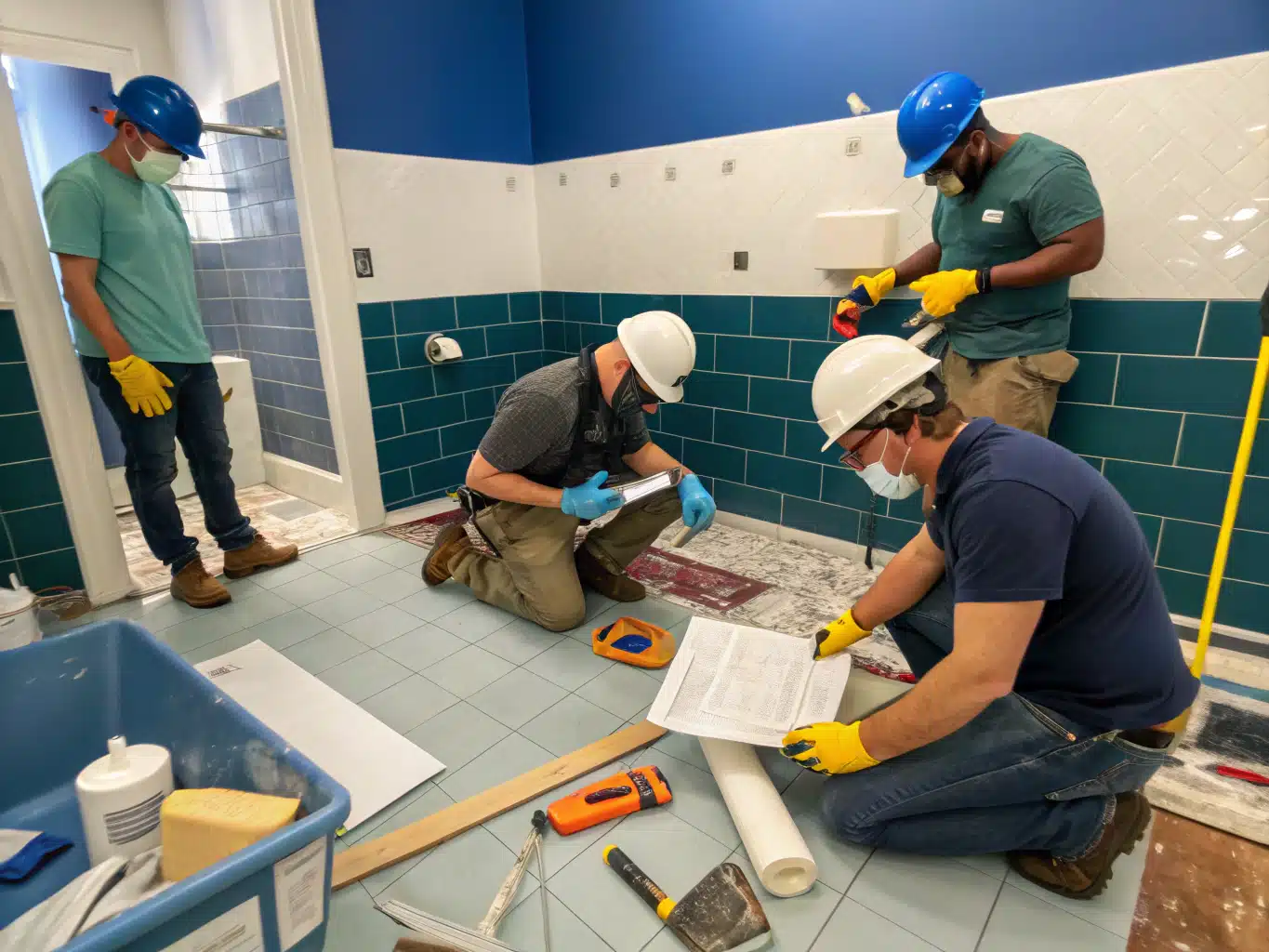
Many homeowners planning an Eastern Suburbs apartment bathroom renovation focus on beautiful tiles and fixtures while ignoring the fundamental layout design. Poor spatial planning creates functional problems that become apparent only after construction begins. These layout mistakes often require expensive structural changes that could have been avoided with proper initial planning.
Inadequate Space for Movement
Cramped layouts make daily bathroom use uncomfortable and impractical. Insufficient clearance around toilets, vanities, and shower areas creates awkward movement patterns that reduce functionality.
Poor Door Swing Planning
Door placement that conflicts with fixture locations forces expensive repositioning during construction. Doors that swing into vanities or block shower access require immediate redesign and additional costs.
Ignoring Plumbing Constraints
Moving plumbing lines without considering structural limitations dramatically increases bathroom renovation costs. Existing pipe locations should guide layout decisions to minimize expensive relocations.
Inadequate Storage Solutions
Failing to plan sufficient storage creates cluttered spaces that feel smaller than necessary. Built-in storage should be integrated during the design phase rather than added as an afterthought.
Poor Ventilation Placement
Incorrectly positioned exhaust fans fail to remove moisture effectively, leading to mold and structural damage. Ventilation planning must consider air circulation patterns and moisture accumulation zones.
We approach every bathroom renovation with detailed layout planning that considers your family’s daily routines. Our team evaluates existing plumbing, structural constraints, and space optimization to create functional designs that work seamlessly for your lifestyle.
Mistake 2: Inadequate Waterproofing in Bathroom Renovations
Waterproofing failures represent the most expensive mistake in bathroom renovations, often requiring complete reconstruction. Many homeowners underestimate waterproofing importance or attempt cost-cutting measures that lead to catastrophic water damage. Proper waterproofing compliance is mandatory under Australian building standards and protects your entire home’s structural integrity.
| Waterproofing Component | Standard Requirement | Failure Consequence |
|---|---|---|
| Membrane Coverage | Complete wet area coverage | Structural water damage |
| Wall Height | 1800mm in shower areas | Wall cavity moisture |
| Floor Falls | 1:100 minimum gradient | Standing water problems |
| Penetration Sealing | All pipe/fixture entries | Leak points behind walls |
Skipping Professional Waterproofing Assessment
DIY waterproofing or using unqualified contractors creates immediate compliance violations and long-term damage risks. Professional waterproofing requires specific certifications and adherence to AS 3740 Australian standards.
Using Substandard Waterproofing Materials
Cheap waterproofing membranes fail prematurely, allowing water penetration that damages surrounding structures. Quality materials cost more initially but prevent expensive repairs and legal compliance issues.
Incomplete Waterproofing Coverage
Partial waterproofing in wet areas creates vulnerable spots where water damage begins. Complete coverage including wall junctions, floor areas, and penetration points is essential for effective protection.
Ignoring Substrate Preparation
Applying waterproofing over unsuitable surfaces reduces adhesion and creates failure points. Proper substrate preparation ensures waterproofing membranes bond effectively and provide lasting protection.
Poor Drainage Integration
Inadequate drainage planning causes water pooling that overwhelms waterproofing systems. Proper fall angles and drainage positioning work together with waterproofing for complete moisture management.
Our waterproofing process follows strict Australian standards with certified materials and qualified tradespeople. We provide waterproofing certificates for compliance and warranty protection, ensuring your bathroom renovation meets all regulatory requirements.
Mistake 3: Underestimating Bathroom Renovation Costs
Budget miscalculations force homeowners into compromising quality or leaving projects unfinished. Many Sydney residents planning an apartment renovation Sutherland Shire focus on material costs while overlooking labor, compliance, and unexpected expenses that significantly impact total investment. Realistic budget planning prevents mid-project financial stress and ensures quality outcomes.
Focusing Only on Material Costs
Materials represent just 40-50% of total bathroom renovation expenses in Sydney’s market. Labor, waterproofing, and compliance costs often exceed initial material estimates by substantial margins.
Ignoring Compliance and Permit Costs
Building permits, waterproofing certificates, and inspection fees add thousands to project budgets. These mandatory costs cannot be avoided and should be included in initial planning.
Underestimating Structural Work Requirements
Older Sydney homes often require electrical upgrades, plumbing modifications, or structural reinforcement. These necessary improvements increase costs but ensure safe and compliant installations.
Failing to Include Contingency Funds
Unexpected issues during renovation require immediate solutions that impact budgets. A 15-20% contingency fund covers unforeseen complications without compromising project quality.
Choosing Cheapest Options Without Quality Consideration
Low-cost materials and fixtures often require premature replacement, increasing long-term expenses. Quality products provide better value through durability and reduced maintenance requirements.
You might be wondering how to accurately estimate your bathroom renovation investment. We provide transparent pricing that includes all necessary components from initial consultation through final completion, helping you plan realistic budgets that deliver lasting results.
Mistake 4: Using Unlicensed Trades for Bathroom Renovations
Hiring unlicensed contractors creates legal liability, compliance violations, and substandard workmanship that requires expensive correction. NSW Fair Trading requires specific licensing for bathroom renovation work, and violations can void insurance coverage. Licensed professionals ensure work meets Australian building standards and provides warranty protection for your investment.
- Legal Compliance Violations: Unlicensed work violates NSW building regulations and can prevent property sales or refinancing.
- Insurance Coverage Issues: Many insurance policies exclude coverage for damage caused by unlicensed contractor work.
- Substandard Workmanship: Unlicensed trades often lack proper training and experience for complex bathroom renovation requirements.
- No Warranty Protection: Licensed contractors provide warranty coverage that protects your investment against defective workmanship.
- Safety Compliance Problems: Electrical and plumbing work requires specific licensing to ensure safe installation and operation.
- Expensive Rework Requirements: Correcting unlicensed work often costs more than hiring qualified professionals initially.
Licensed trades bring expertise, compliance knowledge, and accountability that protects your bathroom renovation investment. They understand Australian standards, safety requirements, and proper installation techniques that ensure lasting results.
We maintain current NSW Fair Trading licensing and insurance coverage for all renovation work. Our qualified team ensures every aspect of your bathroom renovation meets regulatory requirements while delivering craftsmanship that exceeds expectations.
Mistake 5: Rushing Bathroom Renovation Timelines
Compressed schedules increase errors, reduce quality, and often extend completion times beyond original estimates. Proper bathroom renovations require adequate time for planning, material procurement, and careful installation work. Rushing critical stages like waterproofing or tiling compromises long-term durability and creates expensive problems.
Insufficient Planning Time
Rushed design decisions lead to functional problems and change orders during construction. Adequate planning time allows thorough consideration of layout, materials, and functionality requirements.
Material Procurement Delays
Quality fixtures and materials often require lead times that rushed schedules cannot accommodate. Substituting inferior alternatives compromises the final result and long-term satisfaction.
Compromised Installation Quality
Hurried installation work increases errors in waterproofing, tiling, and fixture placement. These mistakes require expensive correction and extend completion timelines.
Inadequate Curing and Drying Time
Waterproofing membranes, adhesives, and grout require specific curing periods for optimal performance. Rushing these processes reduces effectiveness and creates failure points.
Limited Quality Control Opportunities
Compressed schedules reduce time for proper inspection and quality control measures. Thorough checking at each stage prevents problems and ensures compliance with standards.
Increased Stress and Decision Fatigue
Rushed timelines create pressure that leads to poor decision-making and communication problems. Adequate scheduling allows thoughtful choices and smooth project coordination.
Our streamlined renovation process balances efficiency with quality, providing realistic timelines that account for proper installation procedures. We coordinate all aspects of your bathroom renovation to minimize disruption while ensuring every detail meets our high standards.
Conclusion
Successful bathroom renovations require careful planning, quality materials, and experienced professionals who understand Sydney’s building requirements. These five common mistakes can transform your dream renovation into an expensive nightmare, but proper preparation and professional guidance ensure outstanding results. Choose licensed contractors who prioritize compliance, quality, and transparent communication throughout your renovation journey.
Antons Renovation brings 15+ years of bathroom renovation expertise to help you avoid costly mistakes. Our licensed team ensures your project meets all standards and stays on budget. Get started with a trusted Sydney renovation specialist today.
Related Articles
- 5 Common Bathroom Renovation Planning Mistakes to Avoid
- 5 Common Mistakes in Apartment Bathroom Renovation to Avoid
FAQs
What Is Included In A Complete Bathroom Renovation?
A complete bathroom renovation typically includes the replacement or upgrade of fixtures such as sinks, toilets, and showers, along with new cabinetry, flooring, and wall finishes. At Antons Renovation, we also focus on optimizing the layout and functionality to ensure your new space meets your lifestyle needs.
How Long Does A Complete Bathroom Renovation Take?
The duration of a complete bathroom renovation can vary based on the complexity of the project, but generally, it takes between 4 to 8 weeks. Our experienced team at Antons Renovation ensures a streamlined process to minimize disruption and complete your renovation efficiently.
What Is The Average Cost Of A Complete Bathroom Renovation?
The average cost of a complete bathroom renovation in Sydney can range from $15,000 to $30,000, depending on the scope of work and materials chosen. At Antons Renovation, we provide tailored solutions that fit your budget while ensuring high-quality workmanship and finishes.
Do I Need A Permit For A Complete Bathroom Renovation?
In most cases, a permit is required for a complete bathroom renovation, especially if you are making structural changes or altering plumbing and electrical systems—this is common in an apartment bathroom renovation Western Sydney due to strata and compliance checks. Our team at Antons Renovation is well-versed in local regulations and will handle all necessary permits for you.
What Are The Steps In A Complete Bathroom Renovation?
The steps in a complete bathroom renovation typically include initial consultation and design, obtaining permits, demolition, plumbing and electrical work, installation of fixtures and finishes, and final inspections. Antons Renovation ensures clear communication and meticulous planning throughout each step to achieve your dream bathroom.
How Much Does A Complete Bathroom Renovation Cost In Sydney?
A complete bathroom renovation Sydney cost typically ranges from $15,000 to $30,000, depending on your design, materials, and overall scope. The complete bathroom renovation Sydney price can increase with layout changes, premium fixtures, and custom cabinetry, especially for prestige bathroom renovations or a small complete bathroom renovation Sydney project. At Antons Renovation, we offer transparent quotes and flexible options—from cheap complete bathroom renovation Sydney packages to premium upgrades—to deliver the best complete bathroom renovation Sydney outcome for your budget.
Do You Offer Bathroom Renovations For Homes In Western Sydney?
Yes. Antons Renovation specialises in bathroom renovations Western Sydney, delivering tailored solutions for homeowners who want modern, functional bathrooms. Whether you are planning a full bathroom makeover Sydney, upgrading older fixtures, or exploring small bathroom renovations Sydney, our team handles design, construction, and compliance from start to finish. Many clients also check our complete bathroom renovations reviews to see why we are trusted for high-quality complete bathroom renovations across Sydney.
